from 03. Jul to 30. Aug 2026, from 9:00 to 20:00, Palatium and Estates Hall, Ljubljana Castle
We often overlook the invisible threads connecting the mysterious worlds that form part of our reality: the worlds beneath the surface of the sea, the worlds inscribed in people’s faces, but also the worlds in the quiet spaces where we encounter our own questions, beliefs and memories.
The title of the present photography exhibition by Arne Hodalič, Between Worlds, not only describes the selected motifs on display but also speaks of the different spaces between which we constantly move: the faces of people, in which the most diverse stories of their existence are written; the spaces of different faiths, where man has been searching since time immemorial for something that transcends the quotidian world of perception; the seabed, where the life of the past has been transformed into memories; and underground caves, in which the eternal silence is almost rendered tangible. It is precisely this intermediate space that is inhabited by the exhibition Between Worlds, subtly connecting diverse worlds that may at first glance seem very different but are nonetheless inextricably linked.
These special connections have fascinated Arne since his childhood years. Very soon, with camera in hand, he began to explore everything that exists beyond the boundaries of everyday life: the depths of the sea, as well as distant lands and the stories of the remarkable people who inhabit them. As an experienced diver, he began photographing the underwater world many years ago, focusing primarily on archaeological sites hidden beneath the surface of rivers or seas. This topic has accompanied him since the beginning of his career and has brought him his greatest successes, including prominent publications in the world’s most prestigious magazines and newspapers. His most recent underwater archaeological reportage, which we created together, was selected for the cover story in this year’s April issue of the American edition of National Geographic magazine, an achievement that can be considered one of the greatest in Arne’s long and exceptionally creative journey. Some of these photographs form part of the present exhibition.
But not only underwater. Arne has travelled with his camera to almost a hundred countries. In the hidden corners of the planet, he has searched primarily for man – in his work and rituals – often finding himself in landscapes that few people have visited. He has been a photographer of cave, mountaineering and sailing expeditions all over the world. Over the decades, he has travelled among various religions and cultures, creating an oeuvre that constantly intertwines and reflects on the most diverse aspects of life.
Arne Hodalič’s photographs do not leave the viewer at a safe distance; they invite the viewer to enter, to delve into the damp darkness of cave tunnels, to dive deep below the surface of the sea, to venture into remote places where they can meet people they would otherwise never encounter. Arne’s photographic language is based on precise composition, a unique feeling for light and exceptional technical perfection, but its true power lies not in the flawlessness of the image, but in the story that the image conveys. Each image opens up a different world, a different culture, a different way of life – often also opening questions about society, inequality, our relationship to the natural world and the transience of man. That is why his photographs are not only beautiful or astonishing; they are deep visual narratives that draw the viewer in and do not let them go for a long time.
Curator of the exhibition and author of the accompanying text: Katja Bidovec
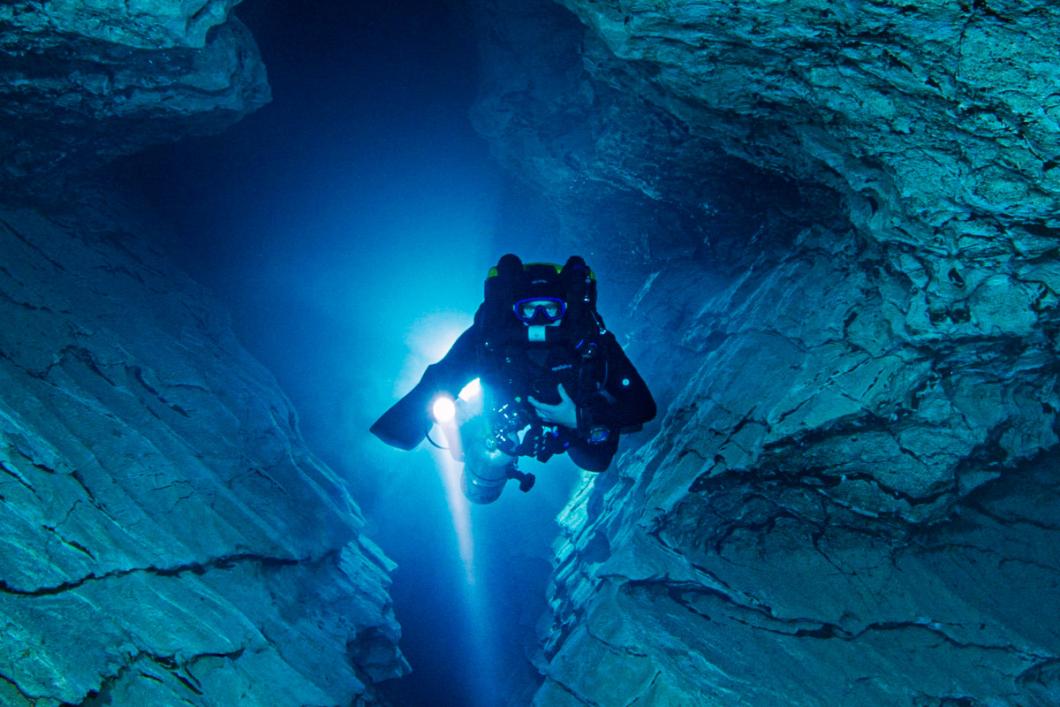
János Molnár Cave, Hungary / The János Molnár Cave is one of the most famous and technically demanding diving caves in Europe. Located under the very centre of Budapest, it is distinguished by its thermal waters and its complex system of water-filled tunnels. The cave has a length of seven kilometres and the water achieves a depth of almost one hundred metres in some places.
1 | 10
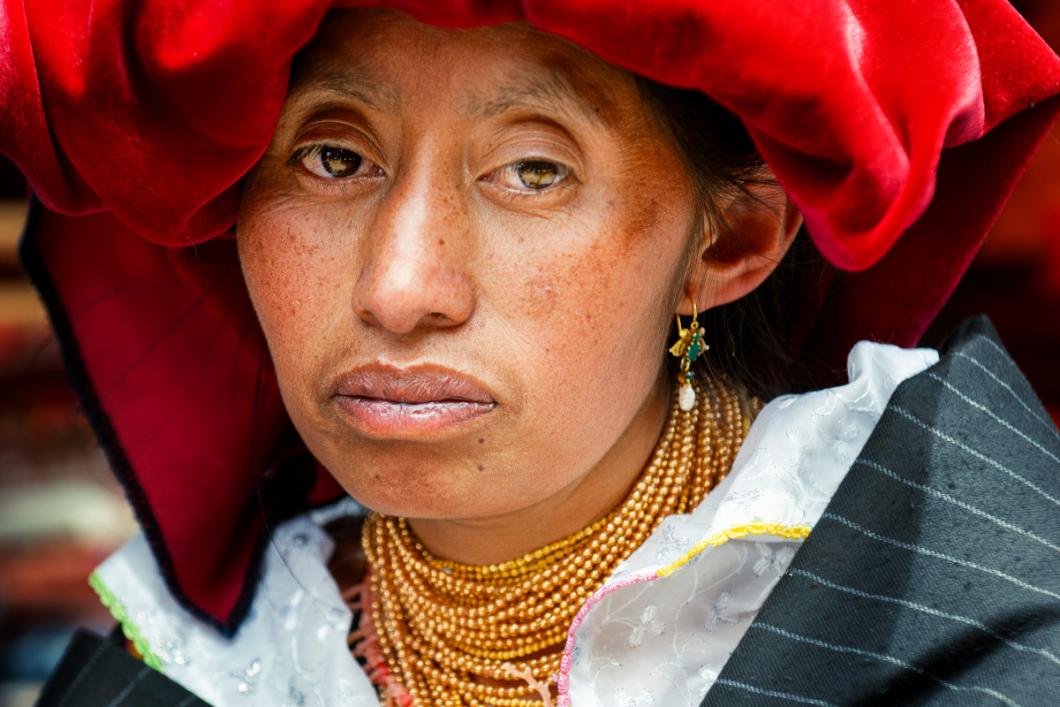
Quito, Ecuador / A member of the Quechua ethnic group, the largest indigenous group inhabiting the regions that make up almost the entire western part of South America. Like their ancient ancestors, the Incas, they are still fascinated by that mysterious yellow metal – gold.
2 | 10
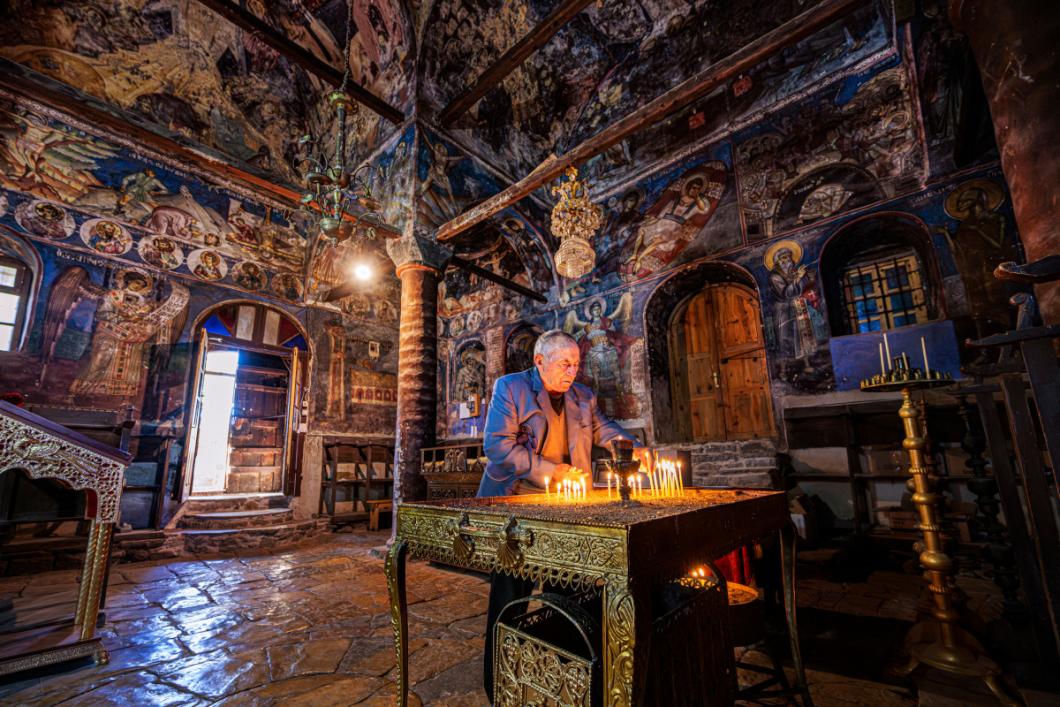
St Nicholas Church, Voskopojë, Albania / This Orthodox church was built in 1721 and is one of several ancient churches in Voskopojë that escaped the destruction associated with the atheistic policies of the long-standing dictatorial regime of Albanian leader Enver Hoxha.
3 | 10
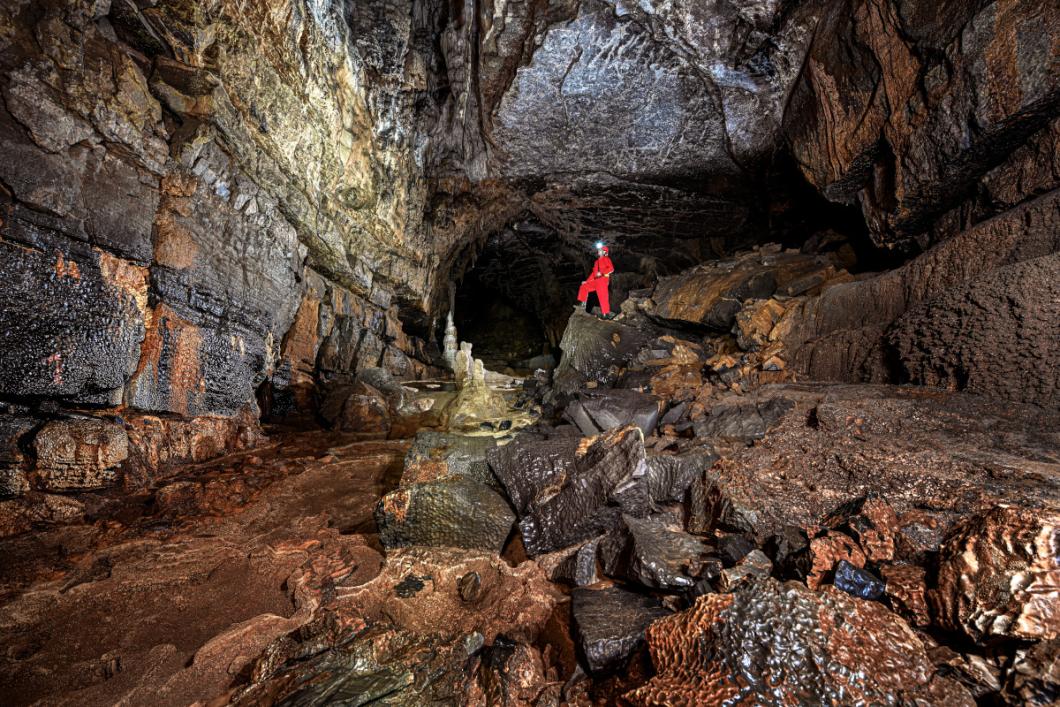
Križna Cave, Slovenia / The Križna Cave is the only naturally preserved water cave open to tourists in Slovenia, so there are no artificial paths or electric lighting in the cave. The water finally leaves the cave at Kittlova brezna (Kittl’s Wells) and passes into the New Križna Cave. At the western end, it goes underground again and resurfaces on the plain in the Šteberški Obrh spring at Lake Cerknica.
4 | 10
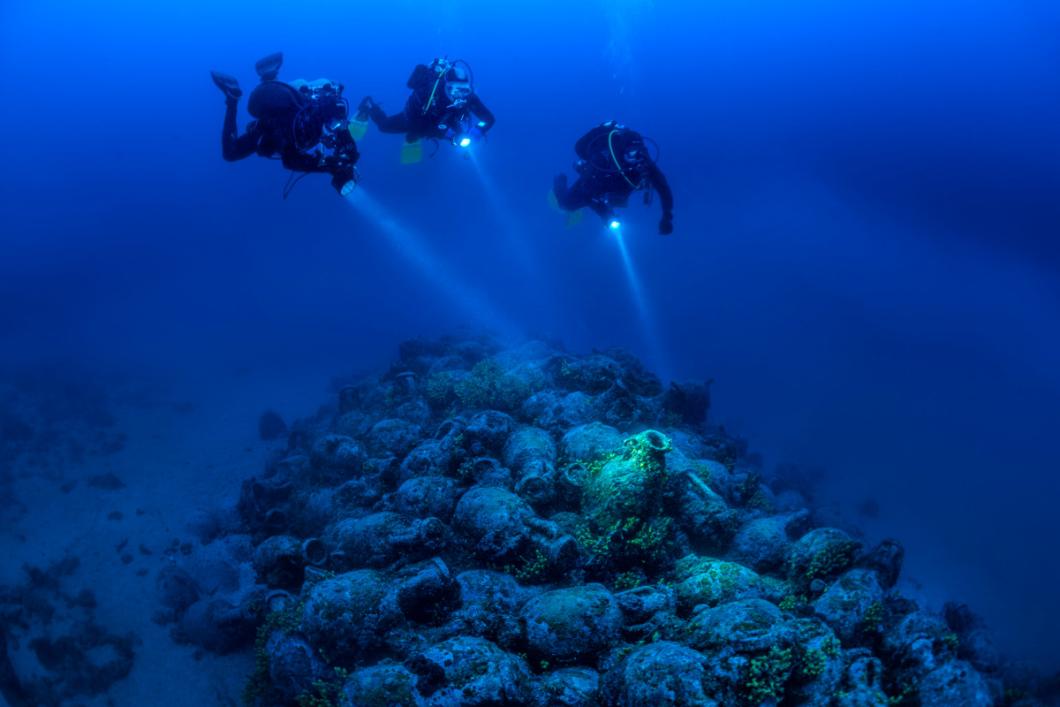
Letavica Site, Pag Island, Croatia / At the Letavica site, at a depth of just under 40 meters, Croatian archaeologists discovered the wreck of a Roman ship from the first century BC. The wreck contained approximately 1,000 amphorae, which were believed to have been used to transport wine and olive oil.
5 | 10
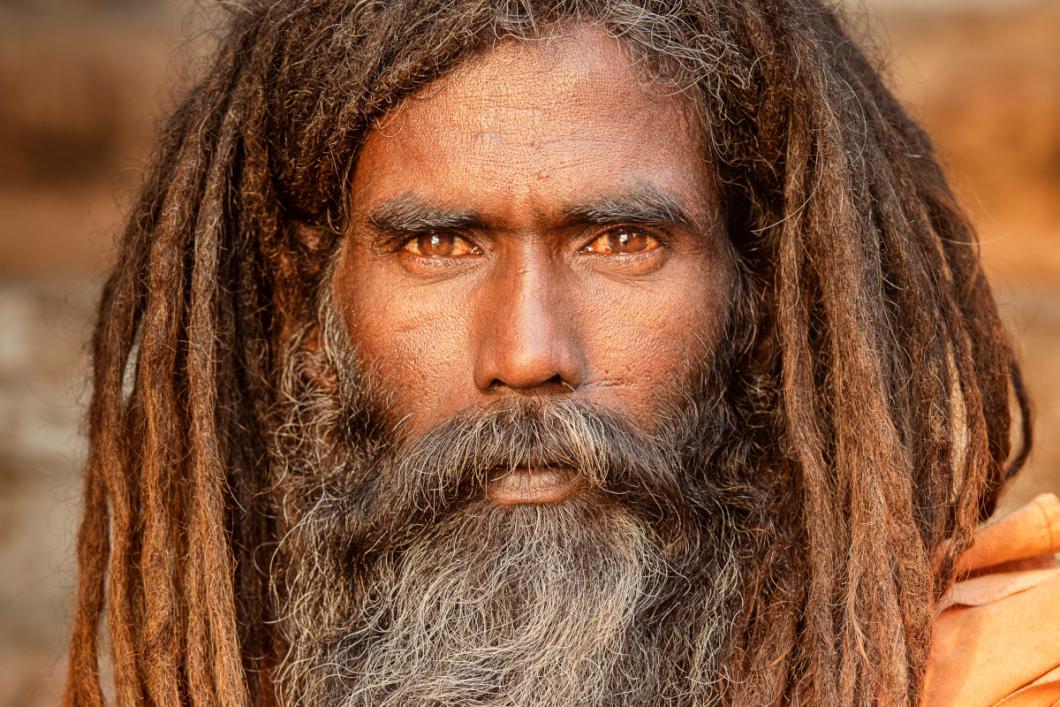
Varanasi, India / The city of Varanasi is dedicated to the god Shiva, and many sadhus (holy men) gather there to worship this important Indian deity. Shiva is considered to be the god of destruction and transformation, but also symbolises renewal and the endless cycle of life.
6 | 10
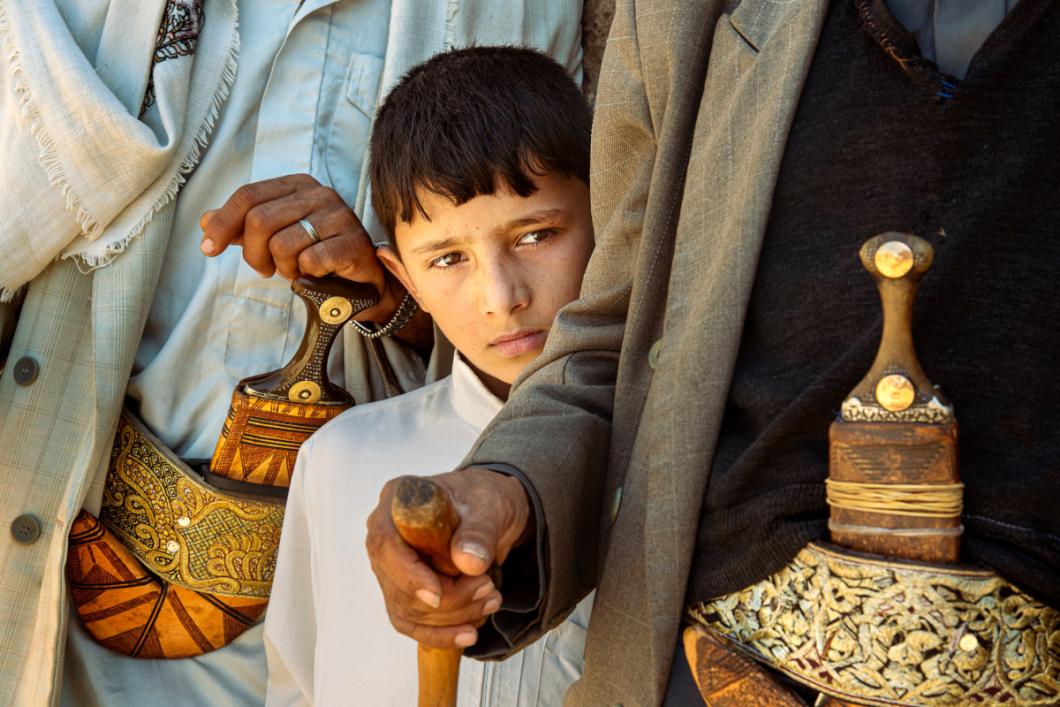
Al Hajjarah, Yemen / The jambiya is a mandatory part of a man’s personal equipment, although the dagger has no practical value and serves merely as a symbol of belonging to a particular clan. Only boys over the age of fourteen can wear a jambiya.
7 | 10
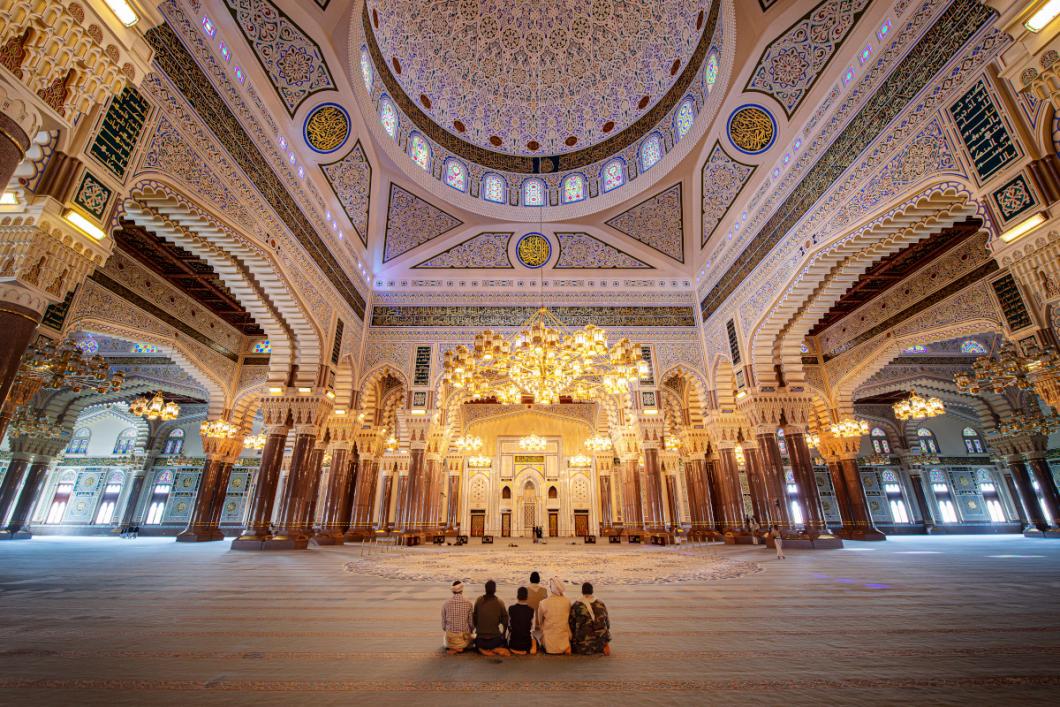
Al-Saleh Mosque, Sana’a, Yemen / Completed in 2008, the Al-Saleh Mosque, which can accommodate more than 40,000 worshippers, is one of the largest and most recently constructed mosques in Yemen. Its construction was accompanied by allegations of corruption and the disappearance of millions of euros of public funds.
8 | 10
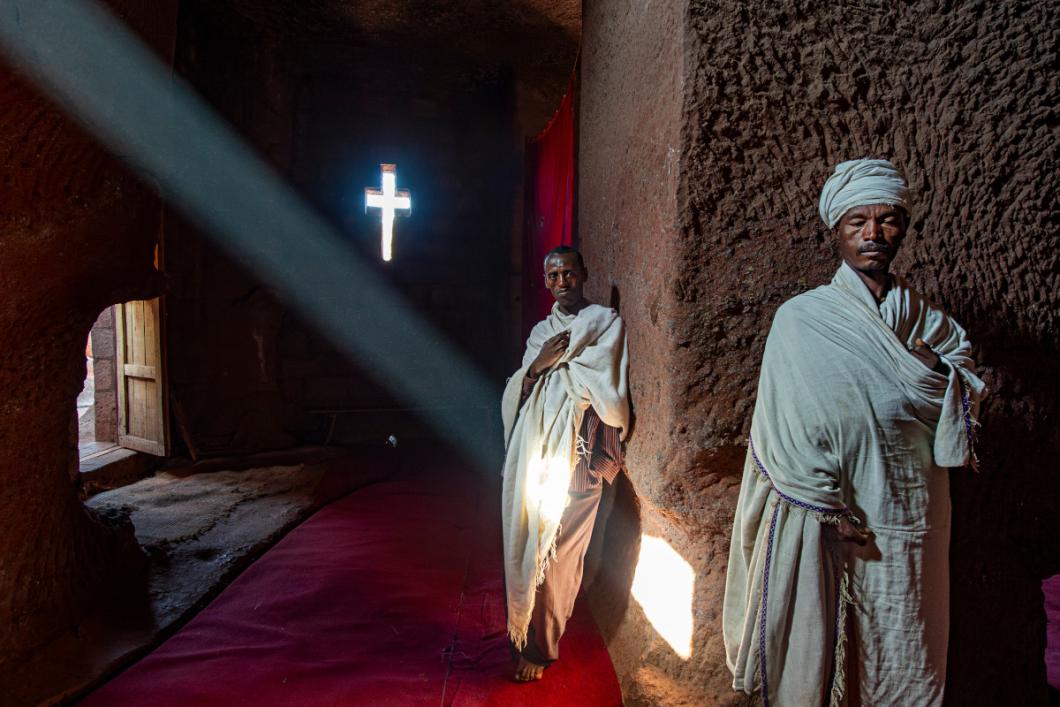
Lalibela, Ethiopia / In the thirteenth century, Ethiopian Orthodox churches were carved into the rock. As this was such a demanding feat, a legend arose that workers carved the churches during the day and angels continued their work at night.
9 | 10
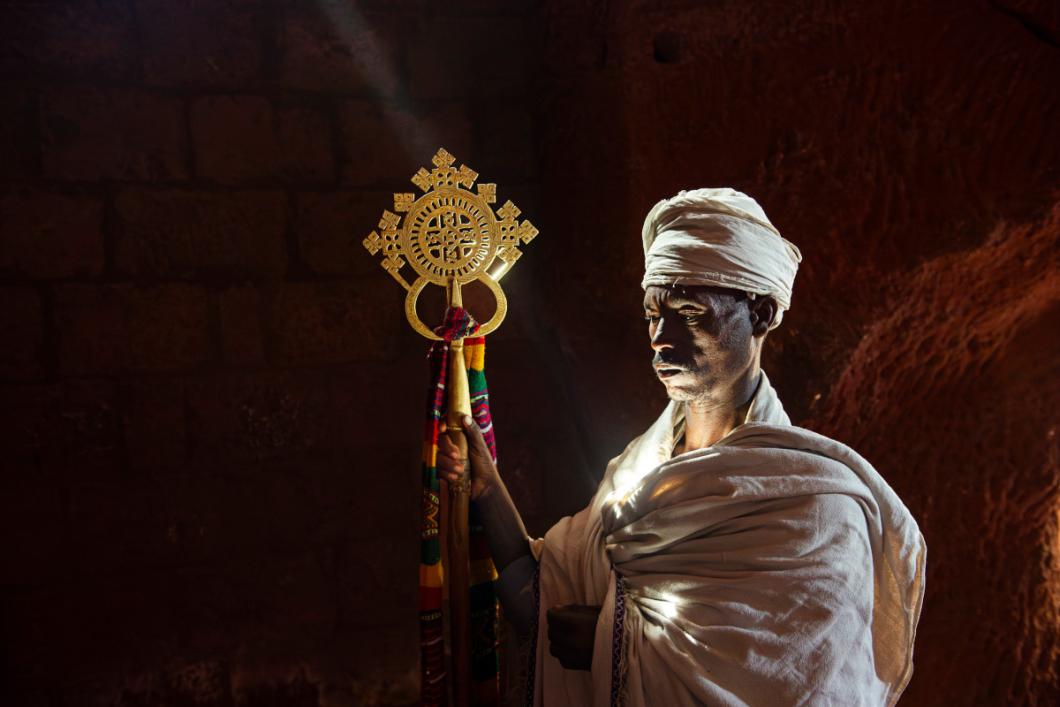
Lalibela, Ethiopia / Priest of the Ethiopian Orthodox Tewahedo Church with their distinctive cross in one of the eleven rock-hewn churches dating from the thirteenth century AD in the town of Lalibela in the Ethiopian highlands. These remarkable churches are considered to be among the most important religious and architectural heritage sites in Africa and still serve as important pilgrimage sites today.
10 | 10
Tickets
Ticket sales points: Ljubljana Castle box office, the lower funicular station on Krek Square, www.ljubljanskigrad.si and all www.mojekarte.si sales points.
For all visitors with the Castle ticket is free entry.
We recommend using the funicular railway to visit the exhibition. The number of parking spaces is limited. More information is available at the link.
Adults9.00 €
Child / Student / Senior Citizen / Groups of 15 or more6.00 €
Adults (with Funicular Railway)11.50 €
Child / Student / Senior Citizen / Groups of 15 or more (with Funicular Railway)8.00 €